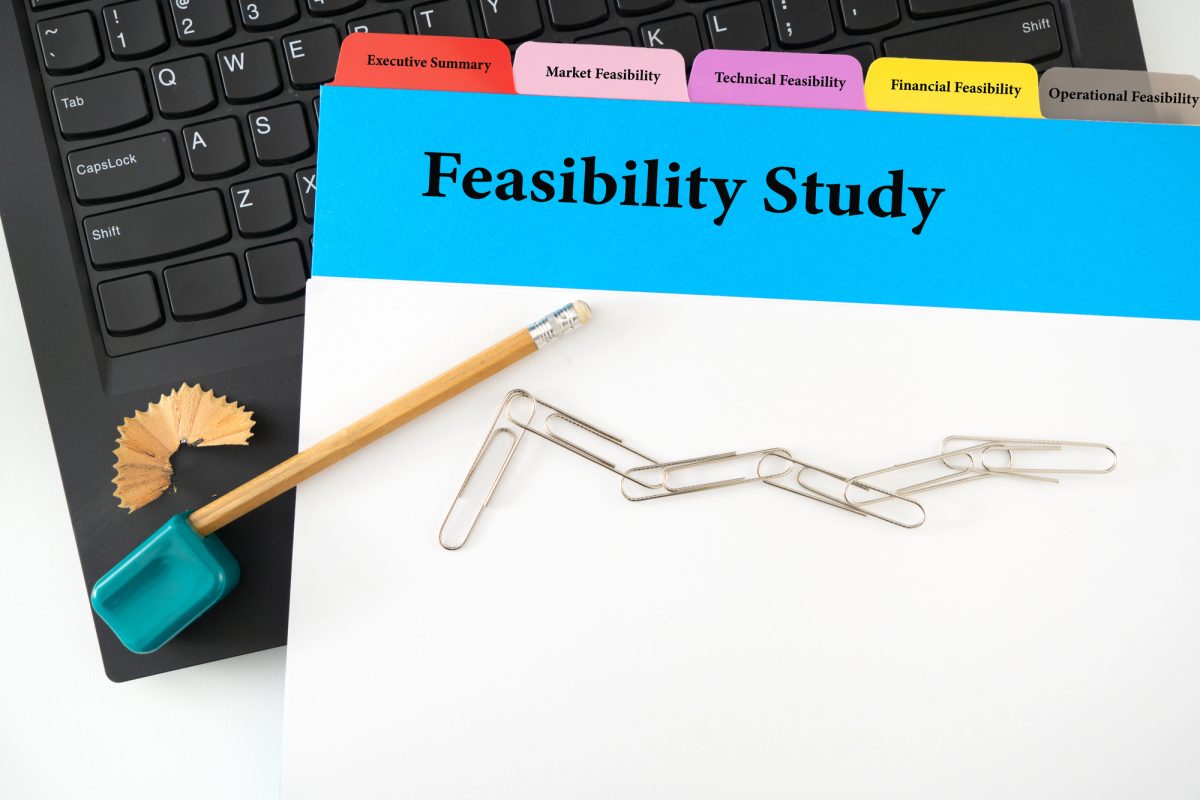
When a lender requires a USDA feasibility study, a rural business owner usually has one question. What is the document, and why does the loan depend on it? A USDA feasibility study is a type of feasibility study report. It reviews whether a proposed project can succeed and repay a loan guaranteed by the U.S. Department of Agriculture. Obtaining this analysis is a standard part of the Business and Industry (B&I) guaranteed loan process. Below, we explain what a USDA feasibility study covers, why lenders require it, and how it differs from a business plan.
As a professional appraisal firm, Peak Business Valuation often prepares feasibility studies for rural business owners and the lenders who serve them. We take careful measures to ensure our studies meet USDA and lender requirements. If you have questions about a USDA feasibility study for your project, we are happy to help. Schedule a free consultation below to get started.
Why is a USDA Feasibility Study Necessary?
A USDA feasibility study answers a key question before anyone commits funds: is the proposed project likely to work? Because a B&I guaranteed loan carries a federal guarantee, the Agency and the lender want independent confirmation. They need to know a project can repay its debt and benefit the community it serves. As a such, the feasibility report becomes a crucial part of the underwriting file. Lenders commonly require a USDA feasibility study in the following situations:
- New or Startup Businesses: A project without an operating history relies on projections. A USDA feasibility study provides the Agency with independent support that demand and cash flow are realistic.
- Major Expansions or New Construction: When a project adds significant capacity or a new facility, past results may not reflect the expanded operation. The feasibility study helps determine whether enough demand exists to support the investment.
- Special-Purpose Properties: Facilities with few alternative uses carry more risk, so lenders want an independent feasibility analysis before committing to the project.
- Uncertain Repayment Capacity: When underwriting decisions rely heavily on projections, a feasibility study tests whether the numbers hold up under review.
- A Lender or Agency Request: A lender or USDA reviewer may require a study for any project where the credit file needs additional support.
In each case, a USDA feasibility study gives the lender an independent basis for the decision rather than relying on the borrower’s projections alone.
What Does a USDA Feasibility Study Include?
A USDA feasibility study examines a project from several angles. Under the USDA framework, an independent analyst evaluates five areas of feasibility. Together, these assessments show whether the project is viable and can support the requested loan. We explain each component below.
Economic Feasibility
This analysis looks at the project’s economic environment and its effect on the surrounding area. An analyst examines factors like labor availability, infrastructure, utility capacity, and transportation access. This section also considers how the project contributes to the rural community since the USDA’s goal is to support rural development.
Market Feasibility
Market feasibility assesses whether enough demand exists to support the project. As part of a market feasibility study, an analyst reviews target customers, market size, competition, and industry trends. The goal is to confirm that a viable customer base exists before the borrower commits significant capital.
Technical Feasibility
Technical feasibility considers whether the borrower can build and operate the project as planned. The expert reviews the proposed site, equipment, facilities, and the resources the project will require. This helps identify any technical obstacles that could affect the timeline or the cost.
Financial Feasibility
This study examines whether the project can generate enough income and cash flow to sustain operations and meet debt obligations. A thorough financial analysis includes cost estimates, revenue projections, cash flow forecasts, and a break-even point. Lenders tend to review this section most closely, since it connects directly to repayment.
Management Feasibility
Finally, management feasibility evaluates whether ownership and management can run the business effectively. The analyst considers management experience, staffing, and day-to-day operational capacity. Strong management support gives the lender more confidence that the team can execute the plan.
Peak Business Valuation prepares USDA feasibility studies that address each of these areas in a single report. If you are seeking a credible USDA feasibility study, it is best to work with an experienced firm. Schedule a free consultation with Peak Business Valuation to get started.
Feasibility Study vs. Business Plan
While a USDA feasibility study and a business plan overlap in some areas, they serve different purposes and are prepared by different parties. A feasibility study is an independent analysis of whether a proposed project is likely to succeed. It is prepared by a qualified professional who does not have a stake in the outcome.
In contrast, a business plan is a document that the borrower prepares. It describes the ownership structure, the management team’s experience, and how the borrower intends to operate the project. Because creating a strong business plan is largely the borrower’s responsibility, many owners prepare it themselves.
Under the USDA framework, an application may require both documents. However, the lender may not require a business plan when a feasibility study or credit evaluation provides enough detail.
Who Can Prepare a USDA Feasibility Study?
The USDA requires the study to be prepared by an independent analyst who does not have any financial interest in the project. These professionals typically have the following qualification:
- Relevant industry experience
- Advanced financial analysis skills
- Market research capability
- Familiarity with USDA requirements
Peak Business Valuation is an independent firm that prepares market feasibility studies for rural business owners and their lenders. Schedule a free consultation today if you have any questions.
Conclusion
A USDA feasibility study is an independent analysis that shows whether a proposed rural project can succeed and repay a B&I guaranteed loan. It reviews the economic, market, technical, financial, and management feasibility of the project. This gives both the borrower and the lender an independent evaluation of the project. Understanding what the study covers makes the requirement easier to approach and easier to prepare for.
As a professional valuation firm, Peak Business Valuation prepares USDA feasibility studies for rural business owners and lenders across the country. If you have questions about a feasibility study, we are here to help. Schedule your free consultation with Peak Business Valuation below to get started.