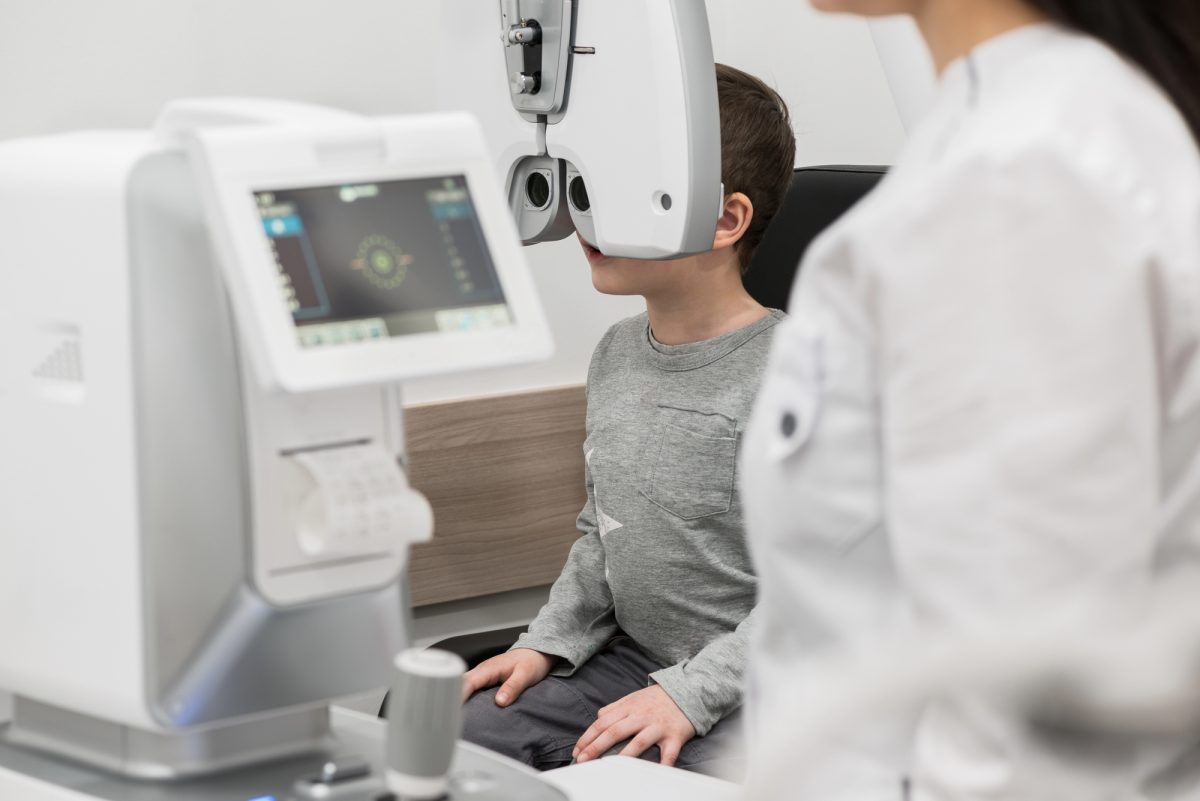
Eye centers offer many services. These range from routine eye exams and vision correction to treating eye disease. Many also sell eyewear or perform procedures such as cataract or LASIK surgery. As the population ages, demand for eye care keeps growing. As such, now may be a good time to buy an eye center. A business valuation for buying an eye center determines what the practice is worth. It also reveals potential risks and opportunities that come with the purchase. Below, we explain how the process works and what specific factors it looks at.
As a trusted business appraiser, Peak Business Valuation regularly values eye care practices. Our team provides credible valuation reports that support informed decision-making. If you have any questions about valuing an eye center, we are here to help! Schedule a free consultation with Peak today.
What is a Business Valuation for an Eye Center?
A business valuation is an independent analysis of a company’s value. It examines financial performance, assets, market position, and growth potential. In addition, it considers unique factors that impact your specific eye center. This helps the appraiser arrive at a reliable conclusion of fair market value.
Receiving a credible valuation report is especially helpful for buyers. It shows whether the asking price matches market standards. This helps you avoid overpaying. A valuation also shows the strengths and risks that influence the price. As such, buyers can use a business valuation for an eye center to make strategic decisions throughout the acquisition.
How to Value an Eye Center
Business appraisers rely on three approaches when valuing an eye center. These include the market, income, and asset approaches. Each one assesses value from a different angle. Below, we outline how each approach works.
Market Approach: The market approach values an eye center based on comparable sales. Appraisers study recent sales of similar practices. Then, they apply market multiples to estimate fair market value.
Income Approach: The income approach measures an eye center’s ability to generate future cash flow. Appraisers project earnings and then discount them to present value. This approach works well for practices with steady patient revenue.
Asset Approach: The asset approach subtracts liabilities from total assets. For an eye center, assets may include diagnostic equipment, optical inventory, and furnishings. This approach is best for asset-heavy centers or liquidation scenarios.
Analysts at Peak Business Valuation combine two or three approaches. This helps ensure a balanced conclusion of value and gives buyers a reliable assessment before they commit. To learn more, see How to Value an Optometry Clinic.
Negotiating a Fair Purchase Price for an Eye Center
A credible report provides helpful insight for navigating negotiations. It serves as an objective reference point based on the practice’s financial and operational data. Both parties can rely on it to align expectations and support productive discussions. In many cases, a business valuation for buying an eye center reduces disagreements about worth.
Building a Strong Business Plan for an Eye Center
The findings from a valuation set the foundation for a strong business plan. During the analysis, an appraiser examines the practice’s financial health, market position, and growth potential. Buyers can refer to these insights when creating a strong business plan for the eye center. This helps them set realistic goals and allocate resources with confidence.
If you are preparing to buy an eye center, Peak Business Valuation is here to help. Schedule a free consultation with Peak today to get started!
Understanding Opportunities of an Eye Center
A business valuation for buying an eye center highlights the opportunities within the business. These opportunities, known as value drivers, can increase the practice’s value and success. Below are some common value drivers for an eye center:
- Diverse Revenue Streams: Diversifying service offerings helps stabilize revenue. Common income sources include eye exams, optical sales, contact lenses, and medical services.
- Loyal Patient Base: A loyal base creates recurring revenue and supports a smoother transition. Regular exams and contact lens refills bring patients back year after year.
- Medical Eye Care Services: Some services command higher reimbursement than routine exams. These include glaucoma management, dry eye treatment, and diabetic eye screening.
- Experienced Team: An experienced team that does not rely on the owner can help ease the transition. Established systems also help preserve performance after the sale.
During a business valuation, appraisers identify key value drivers for an optometrist. As such, buyers gain a clear view of an eye center’s potential. This insight supports stronger decisions before the sale.
Identifying Risks of Buying an Eye Center
Identifying risks is just as important as determining opportunities. It helps buyers understand their investment and prepare for challenges. Some common risks of buying an eye center include:
- Owner Dependence: Patients are often loyal to a specific doctor rather than the practice itself. Buyers can retain patients by arranging a transition period, ensuring the practice has associate providers, and using non-compete agreements where appropriate.
- Reimbursement Pressure: Heavy reliance on a few vision plans exposes a practice to fee reductions. A balanced payer mix and growing medical or cash-pay revenue reduce this risk.
- Retail Competition: Large optical chains and online eyewear sellers bring strong competition. Excellent service and specialty offerings help retain customers.
- Equipment and Lease Terms: Diagnostic equipment is costly to maintain and replace. A short lease can also add risk. Reviewing both during due diligence protects the buyer.
A valuation for buying an eye center identifies which risks affect the practice. This foresight gives buyers the clarity they need to move forward and prepare.
Securing Financing for Buying an Eye Center
Buying an eye center often requires a significant investment. Fortunately, the Small Business Administration (SBA) offers loans that ease this burden. The agency’s funding programs offer competitive interest rates, low down payments, and long repayment terms. As such, an SBA loan can make an eye center purchase more feasible.
SBA lenders often require a business valuation. This helps them assess risk and check loan eligibility. Peak Business Valuation provides SBA-compliant valuations to support the financing process. We also work with many SBA lenders and can connect buyers with experienced financing professionals.
Obtaining an Eye Center Valuation Report
The valuation concludes with a written report the buyer can keep and reference. It lays out fair market value, the methodologies used, and key assumptions. It also highlights value drivers, risks, and financial insights that affect the practice’s worth. Buyers can return to it to guide decisions before, during, and after the sale.
Conclusion
A business valuation for buying an eye center is useful at every stage of the deal. Early on, it helps a buyer judge whether the asking price is fair. During negotiations, it backs up each position with financial evidence. After closing, it becomes a benchmark the new owner can measure growth against.
If you are preparing to buy an eye center, Peak Business Valuation is here to help. Our team is happy to answer your questions about an eye center valuation. Schedule your free consultation with Peak Business Valuation below to get started valuing an eye center.