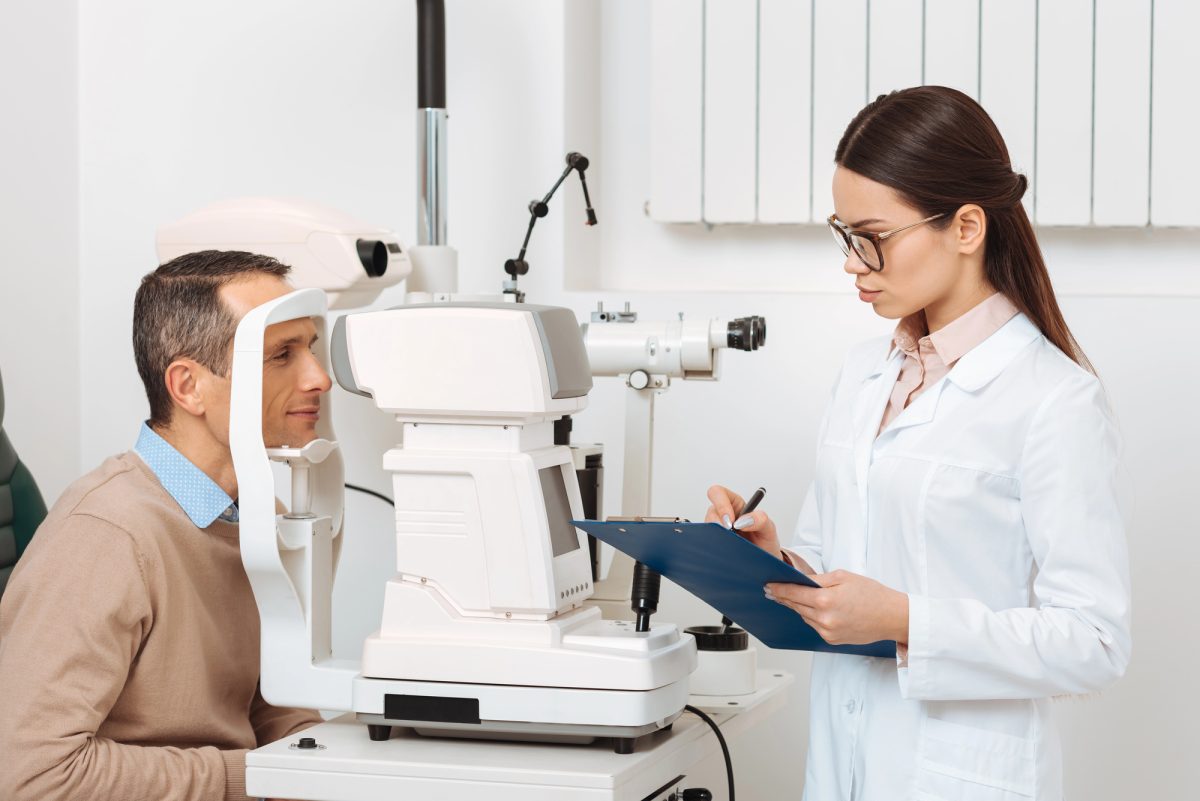
Eye centers depend on specialized equipment to examine, diagnose, and treat patients. Depending on the practice, this equipment can include exam lane systems, imaging devices, or diagnostic equipment. Some of these items demand a large investment, so it is important to obtain an eye care equipment appraisal. Equipment appraisals for eye care centers can provide useful information when an owner, buyer, lender, or advisor needs to understand their value.
In this article, we explain what an eye center equipment appraisal covers and when a business owner may need one. We also share the types of equipment an appraiser can value, how the appraisal process works, and the factors that can affect equipment value.
Peak Business Valuation provides machinery and equipment appraisals for eye centers and other medical practices across the United States. Our equipment appraisers provide a credible estimate of value to help you make informed decisions. Schedule a free consultation to discuss your eye center equipment appraisal needs.
What Is an Eye Center Equipment Appraisal?
An eye center equipment appraisal estimates the value of equipment owned by an optometry or ophthalmology practice. The appraiser gathers information about the equipment and reviews relevant market data. Then, the appraiser applies accepted valuation techniques to estimate value. The purpose of the appraisal has a significant impact on which valuation method is best. Factors such as equipment age, condition, features, and market demand are also key considerations.
When Is an Eye Center Equipment Appraisal Needed?
Eye center owners may need an equipment appraisal for several reasons. The need often arises when equipment represents a meaningful part of a transaction. It can also apply when a third party needs an estimate of value.
Common uses include:
- Business sales: Buyers and sellers may need to understand the value of equipment included in a transaction.
- SBA loans: An SBA lender may request an equipment appraisal depending on the loan structure and assets involved.
- Conventional financing: Banks may review equipment value when machinery and medical equipment support a loan.
- Ownership matters: An equipment appraisal may assist with ownership changes, disputes, or buyouts.
- Estate planning: Owners may need to report equipment values as part of estate or gift planning.
- Litigation: Attorneys may request an independent appraisal when equipment value affects a legal matter.
Peak Business Valuation works with eye center owners, buyers, lenders, attorneys, and other professional advisors. Our professional appraisers can help owners prepare for transactions, financing, estate planning, litigation, and more. Schedule a free consultation to learn more about an optometry equipment appraisal.
How Does an Appraiser Value Eye Care Equipment?
An equipment appraiser may consider the income, market, and asset approaches when valuing eye care equipment. The valuation approach used depends on the type of equipment, available market data, and purpose of the appraisal.
Market Approach
Under the market approach, recent sales and listings for similar used equipment are assessed. Differences in age, condition, features, and accessories may require adjustments.
Cost Approach
Under the cost approach, equipment appraisers may estimate replacement cost and then consider depreciation, condition, and technological obsolescence. This valuation approach can be useful when comparable market data is limited.
Income Approach
The income approach is not common for equipment appraisals, but may be considered when equipment plays a direct role in generating income. However, this approach is less common for individual pieces of eye care equipment because revenue is often generated by the practice as a whole.
To learn more, see Common Business Valuation Approaches.
What Eye Center Equipment Can Be Appraised?
An eye center equipment appraisal can cover many types of medical and office equipment. The exact assets depend on whether the practice provides routine eye exams, advanced diagnostic testing, surgical services, or other forms of eye care.
Common equipment may include:
- Exam chairs and stands
- Phoropters
- Slit lamps
- Autorefractors and keratometers
- Optical coherence tomography equipment
- Fundus and retinal imaging systems
- Visual field analyzers
- Tonometers
- Diagnostic ultrasound equipment
- Ophthalmic lasers
- Optical lab equipment
An appraisal may also include computers, office furniture, sterilization equipment, and other fixed assets. Therefore, owners should provide a complete fixed asset list when possible. This allows the equipment appraiser to identify the assets that need further analysis.
Peak Business Valuation provides independent machinery and equipment appraisals for medical practices and businesses across many industries. Begin the valuation process by scheduling a free consultation below!
What Factors Affect Eye Center Equipment Value?
Several factors affect eye center equipment value. Age often affects value because medical technology continues to change. However, age does not tell the entire story. Equipment that receives regular maintenance and remains in good working condition may keep more value than a similar asset with a poor service history.
Condition also matters. Visible damage, missing parts, or mechanical problems can reduce buyer interest. Also, upgrades and accessories may affect value when buyers place more value on those features.
Market demand can create further differences. Some equipment has an active secondary market, while highly specialized devices may attract a smaller pool of buyers. To ensure a reliable valuation, an equipment appraiser considers both the physical asset and the market in which buyers and sellers operate.
What Information Does an Equipment Appraiser Need?
An equipment appraiser needs detailed asset information to identify eye center equipment and research comparable assets. Accurate and organized records can reduce uncertainty about the equipment’s age, features, and condition.
Useful information may include:
- Make and model: This information helps the appraiser identify comparable equipment.
- Model year: The year provides information about the equipment’s age.
- Serial number: The serial number can help confirm the asset’s identity.
- Condition: Information about physical conditions provides context for the analysis.
- Service history: Maintenance and repair records can show how the owner cared for the equipment.
- Upgrades and accessories: Added components may affect how buyers view the equipment.
- Photographs: Current photographs allow the appraiser to review visible conditions and features.
Peak Business Valuation can help owners prepare documents and equipment information needed before an equipment appraisal begins. If you are considering an eye care equipment appraisal, schedule a free consultation with our team!
Conclusion
An eye center equipment appraisal provides owners, buyers, lenders, and advisors with a credible estimate of equipment value. Equipment appraisers consider the type of equipment, age, condition, features, service history, and available market information when developing the appraisal. This analysis can support a business sale, financing request, business valuation, estate matter, litigation, and more.
Peak Business Valuation provides machinery and equipment appraisal services for eye centers across the United States. Our equipment appraisers apply professional valuation approaches to provide a credible estimate of value. Schedule your free consultation with Peak Business Valuation below to get started.