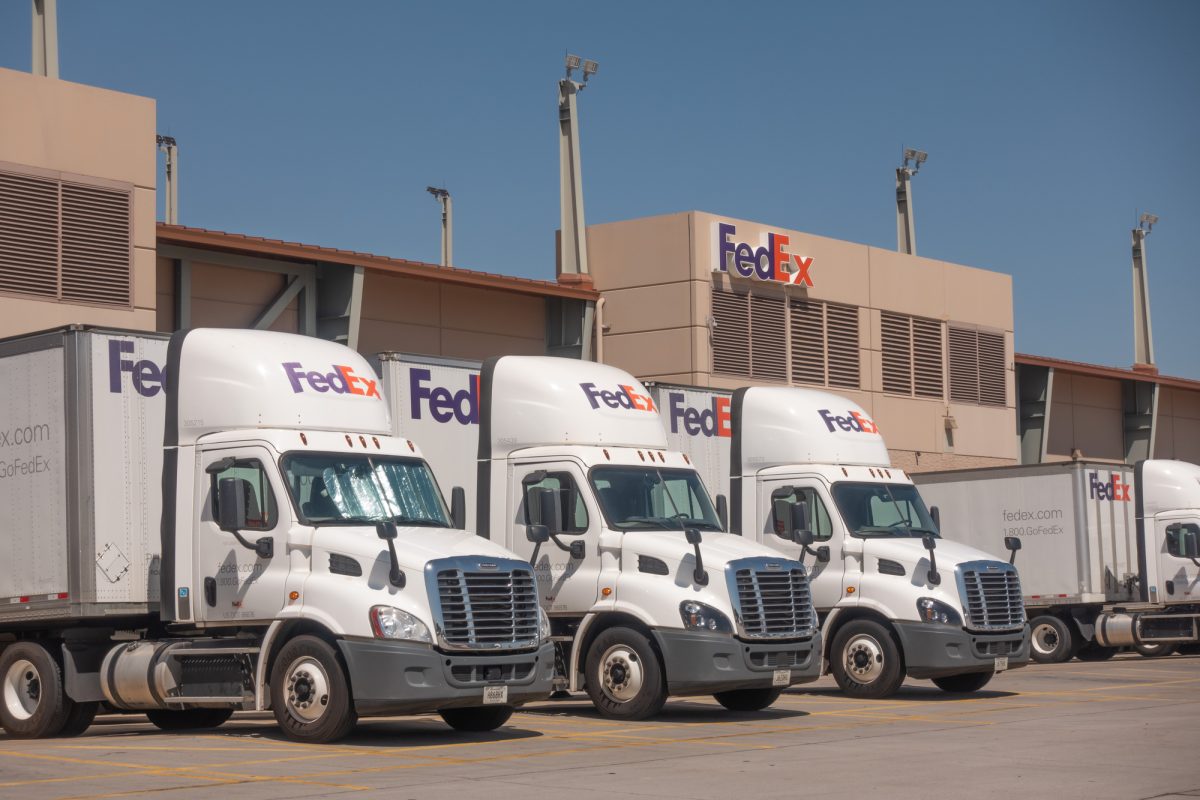
The trucks on your balance sheet may be worth more or less than their recorded cost or depreciated balance. For a FedEx contractor, that difference can affect how buyers and lenders assess the business. Obtaining a FedEx equipment appraisal provides an independent estimate of your equipment’s value as of a specific date. Below, we explain how to choose an equipment appraiser, prepare your records, and understand the equipment appraisal process.
Peak Business Valuation is an independent machinery and equipment appraisal firm serving FedEx contractors and other transportation businesses nationwide. We provide machinery and equipment appraisals for business purchases, sales, financing, and ownership transitions. Our valuation experts can explain the scope of your engagement and the records needed to begin. Schedule a free consultation with Peak Business Valuation to discuss your equipment appraisal needs or Valuing a FedEx Route.
How to Choose a FedEx Equipment Appraiser
A qualified appraiser should understand the equipment that supports your business and the market in which it sells. For FedEx contractors, common equipment includes step vans, cargo vans, box trucks, and semi-truck tractors. Choosing an appraiser with the right experience can help you obtain a more informed estimate of your fleet’s value. Below, we cover a few factors to consider when hiring an equipment appraiser. For additional information see, How to Value a FedEx Route.
Review Credentials and Experience
First, credentials provide an informed starting point when considering an equipment appraiser. At Peak Business Valuation, our machinery and equipment appraisers hold the Certified Machinery and Equipment Appraiser (CMEA) designation. You should also consider the equipment appraiser’s experience with businesses similar to yours. A credential alone does not explain whether an appraiser understands your vehicles and their resale market.
Equipment appraisers should explain how the engagement addresses applicable professional standards and the needs of the intended users. If a lender relies on the report, discussing its requirements before the engagement can help prevent a mismatch in scope.
Evaluate the Proposed Scope
Next, equipment appraisers may offer different scopes of work. One engagement may include a site inspection, while another relies on photographs and records supplied by the owner. The proposed scope should identify the assets, valuation date, intended use, and type of value. For example, fair market value and liquidation value reflect different sale conditions. A contractor preparing for a business sale may need a different analysis than an owner facing a short sale deadline. As such, the appraiser should explain which type of value is appropriate for your situation and why.
Consider References and Communication
Lastly, asking the appraiser if they can provide references can help you assess an appraiser’s experience and communication. Owners should also ask equipment appraisers how they handle missing records, damaged vehicles, and questions about the completed report. A clear proposal should explain the fee, expected timing, and services included. To learn more, read Choosing a Machinery and Equipment Appraiser.
Peak Business Valuation can discuss these details before you begin obtaining a FedEx equipment appraisal. This conversation helps establish what the report will cover and who will use it. Reach out and schedule a free consultation today!
Information Needed for a FedEx Machinery and Equipment Appraisal
Peak Business Valuation begins by requesting an equipment list. This list should include enough detail for the appraiser to identify the assets and research comparable equipment. When obtaining a FedEx equipment appraisal, the more you prepare, the more efficient the process can be.
The information needed for a FedEx equipment appraisal includes the following:
- Year
- Make
- Model
- Condition
- Serial number or vehicle identification number
- Mileage
Purchase invoices and maintenance records can also help the appraiser understand the equipment’s history. In addition, photographs should show the vehicle’s exterior, interior, odometer, identification plate, and any visible damage.
Business owners should also identify which vehicles they own, lease, or finance. If vehicles were purchased or sold near the valuation date, those transactions should be disclosed so the appraiser can determine which assets to include in the appraisal. To learn more about this, see Information Needed for an Equipment Appraisal. In addition, Peak Business Valuation can review your available records and explain any additional information needed. Schedule a free consultation to begin the valuation process!
How Does Peak Conduct a FedEx Equipment Appraisal?
When obtaining a FedEx equipment appraisal, the process may vary depending on the type of equipment and the reason for the appraisal. However, most engagements at Peak Business Valuation include the following basic steps. To learn more, read How to Value Used Machinery.
1. Define the Engagement
During the consultation, Peak Business Valuation discusses why owners need the FedEx appraisal and which assets it should include. We also identify the valuation date and intended users. These details guide the scope of work. The engagement letter outlines the assignment, fee, and estimated turnaround time. It also explains the information you provide and whether the engagement includes a site inspection. Clear terms give both parties a shared understanding before the analysis begins.
2. Review the Equipment and Supporting Records
Next, an equipment appraiser reviews your equipment list, photographs, invoices, and other records. Missing identification numbers or conflicting mileage readings may need follow-up questions. If the scope includes a site inspection, the appraiser observes the listed equipment, takes photographs, and records its condition. As such, equipment appraisers may ask further questions about repairs, maintenance, and vehicle use. An appraisal inspection does not replace a mechanical inspection, so equipment owners should disclose known operating problems.
3. Research Comparable Equipment
Dealer listings, auction results, equipment databases, and other market sources are researched next. Equipment appraisers look for comparable vehicles that have similar specifications and sale conditions. For example, two step vans from the same year may have different values if one has higher mileage or needs an engine replacement. Asking prices also require judgment because a listed price may differ from the final sale price.
4. Apply the Appropriate Valuation Approaches
When valuing FedEx equipment, valuation experts consider the sales comparison, cost, and income approaches. The sales comparison approach uses market evidence for similar equipment. On the other hand, the cost approach considers replacement cost and losses in value from wear, outdated features, or market conditions. Furthermore, the income approach considers earnings from an asset. However, separating income generated by an individual truck from the broader business can be difficult. Read Machinery and Equipment Valuation Methods to learn more about this.
5. Prepare and Review the Report
At the end of a FedEx equipment appraisal, Peak Business Valuation prepares a comprehensive report. This report describes the assets, valuation date, scope, methods, and value conclusions. An equipment report also explains assumptions and limitations that affect how readers should use the results. See Equipment Appraisal Report Made Simple to learn more.
By following these steps, Peak Business Valuation provides an independent assessment of the value of FedEx trucks and equipment. The completed report gives buyers, sellers, and lenders a clear understanding of the equipment’s value based on its condition, market data, and other relevant factors. This information can help support informed decisions when buying, selling, or financing a FedEx route business. To learn more, watch Knowing the Value of Your Equipment.
Conclusion
Obtaining a FedEx equipment appraisal helps owners know what their trucks and equipment are worth. The appraiser reviews each piece of equipment, assessing factors like its age, condition, and market demand. The final report gives buyers, sellers, and lenders a credible basis for making decisions.
Peak Business Valuation provides machinery and equipment appraisals for FedEx contractors across the country. Whether you are buying, selling, or arranging financing, we can discuss the appraisal your situation requires. Schedule your free consultation with Peak Business Valuation below to get started valuing a fedex business.