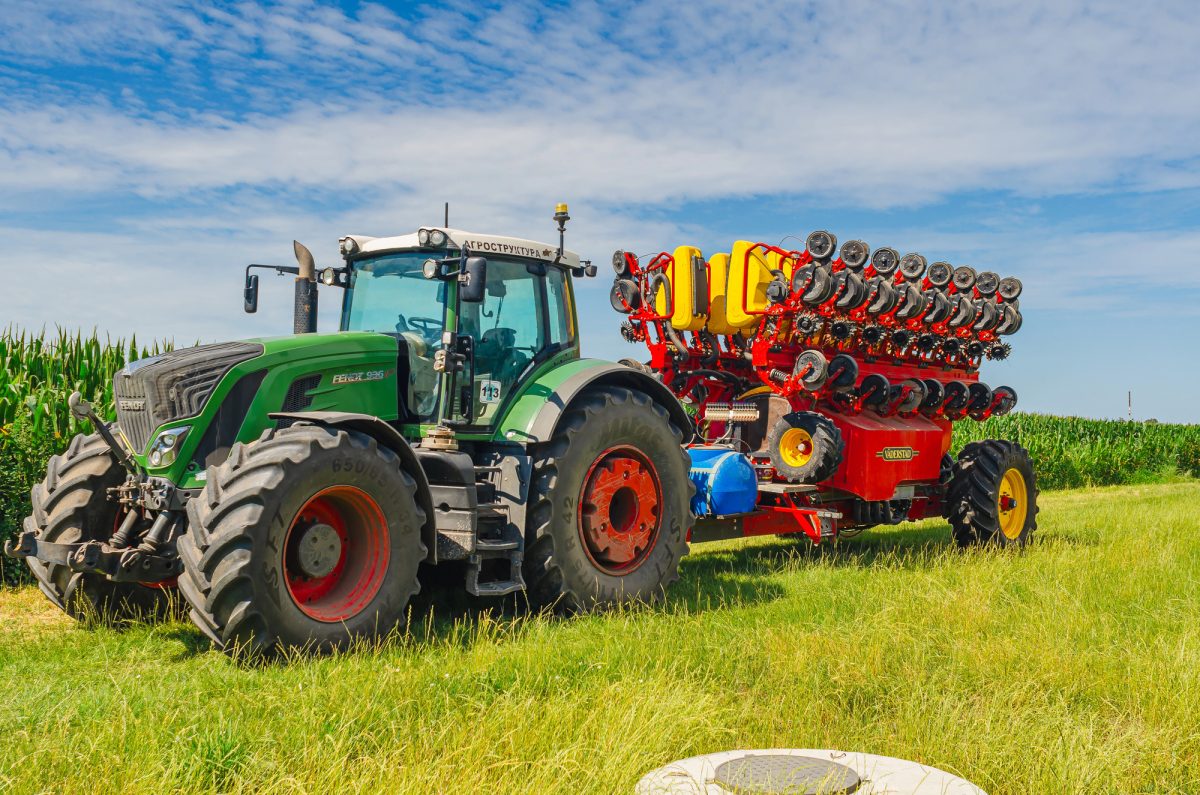
Farm equipment is a major investment for many agricultural businesses. Tractors, combines, harvesters, planting equipment, and other machinery are often a large part of a farm’s assets. A farm machinery appraisal provides an independent estimate of equipment value based on several factors. Common factors include condition, age, market demand, and use. Understanding equipment value is important when buying or selling machinery, obtaining financing, planning an estate, or making other financial decisions.
In this article, we explain what a farm machinery appraisal includes. We also share the factors that affect equipment value and how working with a qualified appraiser can provide useful insights to make more informed decisions.
At Peak Business Valuation, our certified equipment appraisers provide business owners, lenders, attorneys, and advisors with credible equipment appraisals. Our team also assesses agricultural machinery using accepted machinery and equipment valuation methods. If you have questions about the value of your farm equipment, schedule a free consultation to get started.
What Is A Farm Machinery Appraisal?
A farm machinery appraisal is an analysis that estimates the value of agricultural equipment. When valuing farm machinery, equipment appraisers review equipment specifications, operating hours, maintenance records, current market conditions, and recent equipment sales.
Furthermore, each piece of equipment is valued separately. This is because the value of two similar machines can vary based on their condition, usage, location, and maintenance history. For example, a tractor with regular service and fewer operating hours may have a different value than a similar tractor with heavy use and limited maintenance records.
Farm machinery appraisals are used for several purposes, including:
- Buying or Selling Equipment: When buying or selling equipment, an equipment appraisal can help buyers and sellers establish a reasonable price. To learn more, see Equipment Appraisal for Buying Equipment or Equipment Appraisal for Selling Equipment.
- Financing: Lenders may use equipment values when reviewing collateral.
- Insurance: In some cases, owners use equipment appraisals when determining equipment coverage.
- Estate Planning: An equipment appraisal can help determine the value of agricultural assets.
- Business Valuations: When measuring the overall value of a farming operation, an equipment appraisal can help support the business valuation.
Factors That Affect Farm Machinery Value
Several factors can influence the value of agricultural equipment. When valuing equipment, equipment appraisers must analyze and identify possible risks or value drivers. Below are common factors that can affect farm machinery value.
Equipment Condition And Maintenance History
The condition of equipment is one of the most important factors affecting value. Machinery with regular maintenance, repair records, and limited wear often has greater market demand.
An appraiser reviews information such as operating hours, mechanical condition, tire or track condition, repairs, and upgrades. Maintenance records help show how the equipment has been used and cared for over time.
Age, Usage, And Depreciation
Next, age can have a big effect on equipment value, but it does not determine value by itself. Well-maintained machinery can continue to hold value, especially when there is strong demand for certain models.
Records of operating hours, or usage, also provide insight into equipment usage. A tractor with lower operating hours may have a higher value than a similar tractor that has been used more heavily.
Market Demand And Comparable Sales
Lastly, equipment values are affected by market conditions. An equipment appraiser reviews recent sales of similar machinery to understand current buyer demand.
Factors such as equipment availability, commodity prices, interest rates, and supply chain conditions can influence market values. Additionally, specialized equipment may have fewer potential buyers if it is designed for a specific type of farming operation.
At Peak Business Valuation, we provide independent equipment appraisal services. Our goal is to help owners and lenders understand how equipment condition and market conditions affect value. A professional appraisal can provide objective insight when equipment values are part of a larger financial decision. Schedule a free consultation to begin the equipment appraisal process.
How Appraisers Determine Equipment Value
A certified equipment appraiser considers several valuation methodologies when determining the value of agricultural equipment. The approach or method selected depends on the purpose of the appraisal and the information available. Below are the methods and approaches considered when valuing farm machinery.
Sales Comparison Method
The sales comparison method uses recent sales of similar equipment to estimate value. In these cases, machinery and equipment appraisers compare items such as the manufacturer, model, age, condition, and location. This method works best when there are enough comparable sales available. Moreover, adjustments may be needed because equipment can vary significantly based on usage and condition.
Cost Approach
The cost approach estimates value by considering the cost to replace the equipment with a similar asset. An equipment appraiser then adjusts for depreciation caused by age, wear, and changes in technology. This method can be useful when equipment is unique or when limited sales information exists.
Market Conditions
Furthermore, equipment values can change as market conditions change. Equipment supply, interest rates, commodity prices, and manufacturer production levels can affect buyer demand. For example, limited availability of new machinery may increase demand for used equipment. However, increased equipment supply may reduce demand for older machinery.
To read more about this, see Methods for Valuing Equipment.
When To Obtain A Farm Machinery Appraisal
Owners and advisors often obtain equipment appraisals when machinery values affect ownership, financing, or other financial decisions. Common situations include:
- Buying or selling a farming operation
- Applying for equipment financing
- Resolving ownership changes
- Preparing estate planning documents
- Supporting a business valuation
Fortunately, an appraisal for farm machinery provides an independent estimate of fair market value when various parties need a common understanding of equipment worth. This is especially helpful when machinery represents a large part of a company’s assets.
Preparing For A Farm Machinery Appraisal
Preparing well for a farm machinery appraisal can help the appraisal move faster and more efficiently. The best way to do this is by gathering information about your equipment. Equipment appraisers like Peak Business Valuation typically review records that provide insight into the equipment’s condition and history. Read more in How to Prepare a Machinery and Equipment Appraisal.
Useful information may include:
- Equipment purchase records
- Maintenance and repair records
- Equipment lists
- Manufacturer specifications
- Operating hours
- Recent upgrades
Providing this information allows the equipment appraiser to assess the equipment based on its current condition and operating history. Qualified equipment appraisers like Peak Business Valuation can help you prepare well for your machinery appraisal. Schedule a free consultation for assistance.
Conclusion
To conclude, a farm machinery appraisal provides an independent estimate of agricultural equipment value. To arrive at a reliable conclusion of value, appraisers review equipment condition, usage, market demand, and comparable sales. Whether equipment is involved in a purchase, financing decision, or business valuation, a farm machinery appraisal provides a credible basis for understanding asset value.
Peak Business Valuation provides credible equipment appraisal services for agricultural businesses, lenders, and advisors. Our certified equipment appraisers apply accepted methodologies to value machinery and provide objective analysis for financial decisions. Schedule your free consultation with Peak Business Valuation below to get started!