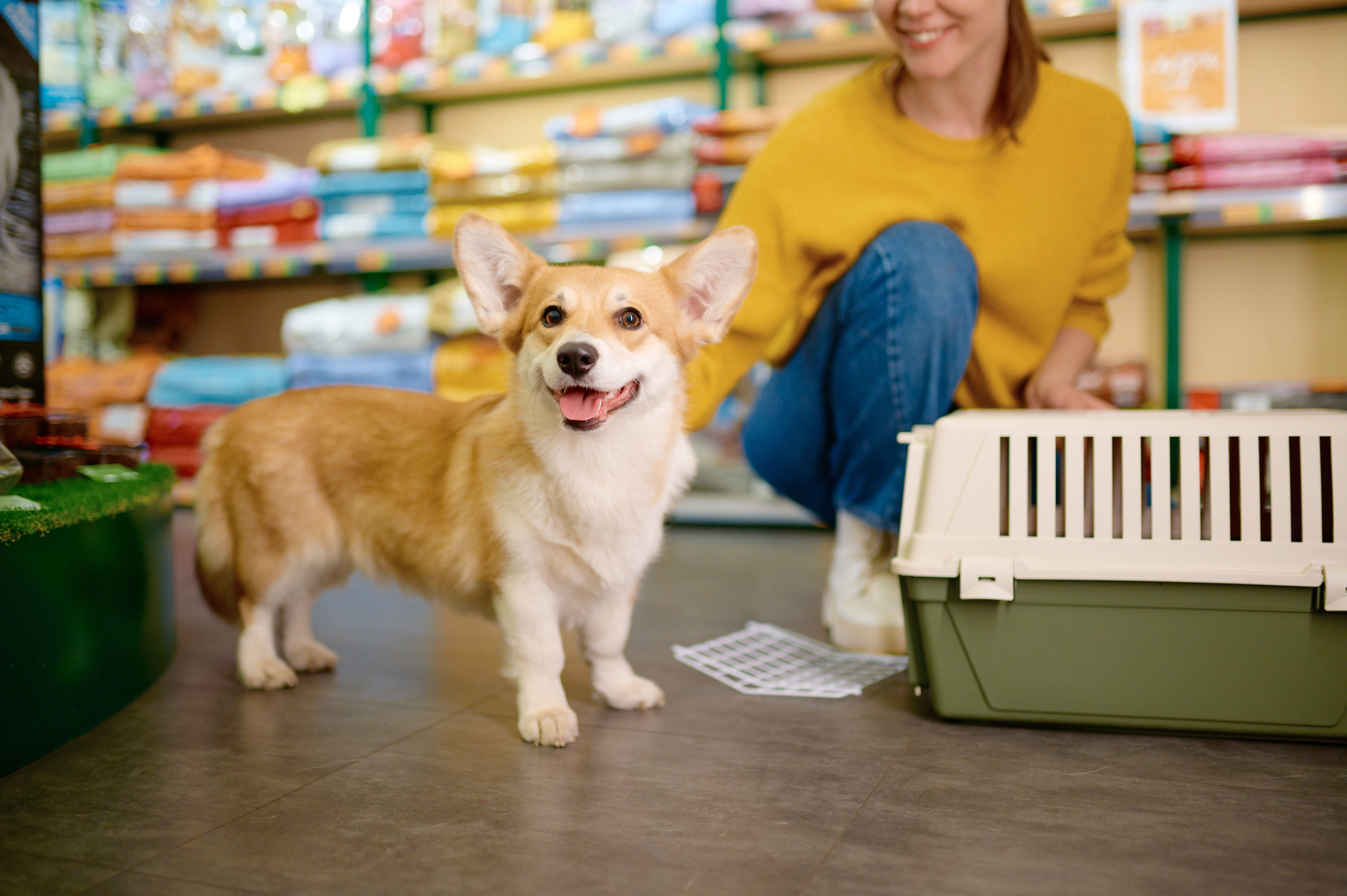
Across the United States, the pet store industry is growing, fueled by the rising trend of pet humanization. While this interest creates exciting opportunities, many small pet shops are struggling against larger brands and online competition. In this challenging landscape, obtaining a business valuation for selling a pet store is essential for pet store owners looking to sell, determine the right asking price, and maximize their value.
Peak Business Valuation frequently values pet stores throughout the United States. To learn more about how to value a pet store, contact Peak! We can answer your questions and provide you with clear insight into your business’s value. Schedule a free consultation today to get started!
The Purpose of a Business Valuation for Selling a Pet Store
The purpose of a business valuation for selling a pet store is to determine its overall worth in today’s market. To do this, business appraisers apply proven valuation techniques that calculate the pet store’s fair market value. This figure helps support an asking price, simplify negotiations, and promote transparency between both parties.
In this article, we discuss how to value a pet store and how the results of a business valuation can help you prepare to sell your business. If you have any questions about valuing a pet store, schedule a free consultation with Peak!
Understanding the Fair Market Value of a Pet Store
Fair market value represents the amount that a buyer would likely pay for a business on the open market. Many sellers rely on this value when deciding on a listing price for their business. To determine fair market value, business appraisers at Peak Business Valuation typically rely on three valuation approaches. Each approach assesses a pet store’s performance from a unique angle. These approaches include:
- Market Approach: The market approach values a pet store by comparing it to similar businesses that have recently sold. Experts analyze sale prices and apply industry-specific multiples to estimate a fair market value. This technique reflects current market conditions and helps ensure the valuation aligns with what buyers are willing to pay.
- Income Approach: This approach estimates a pet store’s value based on its ability to generate future profits. By projecting future cash flows and discounting them to present value, experts determine what the business is worth today. The income approach is especially useful for stores with stable earnings and predictable growth.
- Asset Approach: The asset approach calculates value by totaling a pet store’s assets and subtracting liabilities. This approach is often used for stores with significant assets or inconsistent earnings.
A comprehensive business valuation for selling a pet store involves combining multiple approaches to provide a well-rounded estimate of its worth. By understanding your pet store’s fair market value, you can approach the sale with confidence and a clear purpose.
Maximizing the Value of a Pet Store
When preparing to sell a pet store, understanding how to maximize its value helps attract buyers and achieve the best possible price. As part of a business appraisal, the analyst identifies key value drivers. These are the specific factors that can help you increase the worth of your business. By focusing on these drivers, pet store owners can make strategic improvements that appeal to buyers. Some common value drivers for a pet store include:
- Diverse Product & Service Offerings: A wide range of pet supplies, specialty products, grooming, training, and boarding services can help reach a broader customer base. Multiple revenue streams also increase stability and buyer interest.
- Location: A convenient, high-traffic location with ample parking increases visibility and sales opportunities.
- Customer Loyalty: Established relationships with loyal customers creates steady sales and positive word-of-mouth. Offering rewards programs and subscriptions can also promote lasting relationships.
- Consistent Financial Performance: Well-documented and growing profit margins demonstrate financial stability and potential for future growth.
- Online Presence: Active social media, a user-friendly website, and online sales channels expand market reach and build brand recognition.
By focusing on these value drivers, pet store owners can strengthen their business’s appeal and command a higher valuation. Schedule a free consultation with Peak Business Valuation to learn more about your business’s value drivers!
Identifying Risks When Selling a Pet Store
In addition to highlighting value drivers, business appraisers also identify risks in a business valuation for selling a pet store. As business owners learn these risks before entering a sale, they can take actions to prevent them. Moreover, they will be better prepared to answer buyer questions with confidence. Some common risks associated with a pet store include:
- Animal Health & Welfare Issues: Illness or injury to animals in the store can lead to reputational damage, legal liability, and financial loss.
- Competition: Increasing competition from online retailers and large chain stores can reduce market share and profit margins. Exploring a niche market or offering unique benefits can help your pet store stand out.
- Supply Chain Disruptions: Dependence on suppliers for pet food, accessories, or live animals can be risky if there are delays, shortages, or price increases.
- Product Liability: Selling pet products that cause harm or allergic reactions to pets or owners can result in lawsuits. Adequate research is crucial to maintain safety and store reputation.
- Changing Consumer Preferences: Shifts in pet ownership trends or preferences for certain products and services may impact sales. Staying up to date on client needs can help maintain a steady income.
Addressing these risks proactively through policies, insurance, and operational controls helps protect the business and preserve its value. Additionally, demonstrating that your business is well-prepared for potential challenges can reassure buyers and facilitate a smoother transition.
Determining a Realistic Asking Price for a Pet Store
When valuing a pet store for sale, determining its asking price is a crucial step. Many business owners base this figure on their store’s fair market value. Setting an asking price grounded in fair market value helps build trust between buyer and seller from the start. It reassures sellers that their store is valued appropriately, while buyers can feel confident they are paying a fair price.
Utilizing a Valuation Report When Selling a Pet Store
Obtaining a valuation report for selling a pet store simplifies the sales process. First, it provides the pet store’s fair market value and explains the valuation techniques that helped determine it. This can help in setting and explaining the list price. Second, a business valuation report highlights a pet store’s individual strengths, weaknesses, opportunities, and risks. Applying this information can guide sellers as they seek to improve their business. Third, using a valuation report during negotiations builds immediate trust between the buyer and seller. It serves as an independent resource, offering credible data to both parties as they navigate the transaction.
Conclusion
A business valuation for selling a pet store is a critical resource both before and during a sale. Before a sale, sellers can rely on it to set an asking price and guide decisions as they work to maximize their business’s value. During the sale, it offers transparency and confidence while finding a buyer and throughout negotiations. A professional pet store valuation empowers sellers to navigate the sales process with clarity and achieve the best possible outcome.
If you have any questions about selling your pet store, contact Peak Business Valuation. We are here to support you through this transition and provide clear insight into valuing a pet store. Begin today by scheduling a free consultation with Peak!