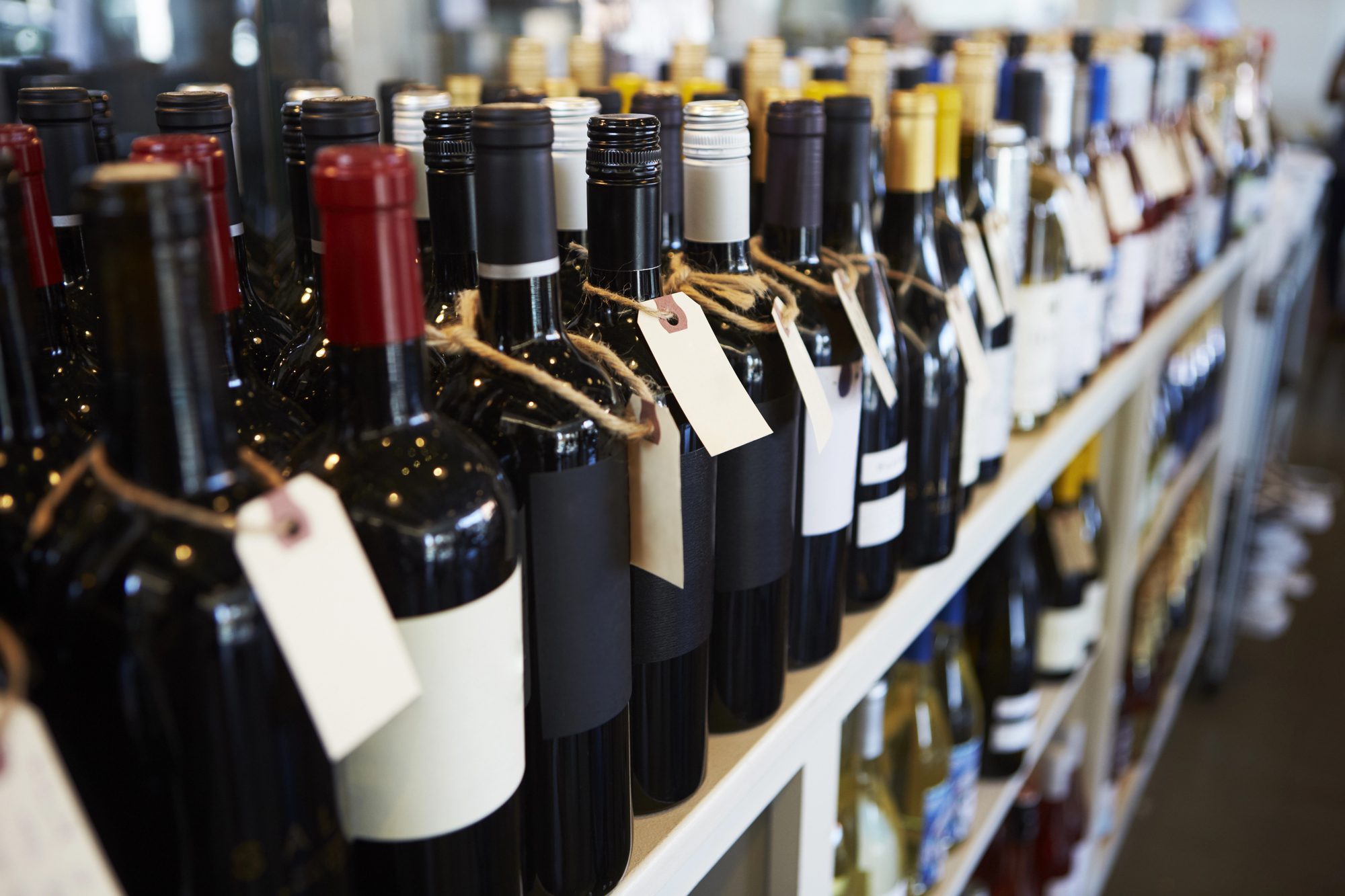
The liquor store industry offers stability and strong profit potential, supported by a broad and consistent customer base. Demand for beer, wine, and spirits remains steady across economic cycles. As a result, liquor stores are attractive opportunities to first-time buyers, owners seeking expansion, and sellers planning an exit. When owners need capital to buy, grow, or improve a liquor store, an SBA loan for a liquor store offers a practical financing solution.
The Small Business Administration (SBA) supports business owners when buying or growing a business. The SBA also has attainable terms, such as low interest rates. With this, the SBA can create more opportunities for small business owners.
Peak Business Valuation helps liquor store owners navigate the SBA loan process by delivering credible SBA business valuations. Lenders often require professional business valuations before approving financing. If you plan to apply for an SBA loan, schedule a free consultation to learn how we can help.
Benefits of SBA Loans for Liquor Stores
SBA financing offers clear advantages over conventional business loans. Borrowers often enjoy lower interest rates due to the SBA’s partial guarantee. SBA loans also generally need smaller down payments, which allows owners to keep more working capital.
Additionally, longer repayment terms can further strengthen cash flow. With lower monthly payments, an SBA loan can help liquor store owners manage operating expenses efficiently. Lenders are also more likely to approve an SBA loan compared to conventional loans. This is because the SBA guarantees a portion of the loan. Read more about this at Requirements for an SBA Loan.
Lastly, an SBA loan for a liquor store supports many business needs. Owners can use SBA loans to buy a liquor store, fund working capital, buy equipment, or refinance debt. This article outlines several common uses of an SBA loan for a liquor store. To learn more, see Advantages of SBA Loans.
Buying Liquor Stores with an SBA Loan
Buying a liquor store ranks among the most common uses of SBA financing. An established store often provides immediate cash flow, a loyal customer base, and proven operations. However, acquisition costs can create a financial barrier.
SBA loans for liquor stores reduce upfront capital requirements and offer predictable monthly payments. Buyers can often finance the purchase price, inventory, and select closing costs. With this advantage, ownership can be more accessible and manageable.
Lenders often require an SBA business valuation during the acquisition process. Business valuations can provide credible data to confirm that the purchase price reflects fair market value. This step protects both the borrower and the lender.
Peak Business Valuation is a trusted business appraiser in the United States. We can provide a tailored and credible business valuation for your SBA loan for a liquor store. We can answer any questions you may have about professional business valuations and how they can help you. Schedule a free consultation below to get started.
SBA 7(a) Loans for Liquor Stores
The SBA 7(a) loan program offers the most flexibility among SBA financing options. Borrowers can use it to buy a liquor store, refinance existing debt, fund working capital, or buy and install equipment. Many buyers choose the SBA 7(a) program when seeking SBA loans for liquor stores because it accommodates several financing needs under one loan.
Moreover, loan terms can extend up to 10 years for business acquisitions and up to 25 years when real estate improvements or acquisition is included. This flexibility makes the SBA 7(a) loan a popular choice for liquor store buyers and owners.
To learn more about the terms of an SBA 7(a) loan, see Terms, conditions, and eligibility | U.S. Small Business Administration.
Expanding or Improving Liquor Stores with an SBA 504 Loan
SBA 504 loans focus on major fixed-asset purchases, which encourage business growth and creation. Liquor store owners often use these loans to expand operations or invest in real estate. For example, owners may buy a new building, expand retail space, or improve the land or utilities of an existing business.
Because SBA 504 loans offer long-term, fixed interest rates, they create stable and predictable payments. While these loans limit how borrowers can use funds, they work well for established liquor store owners focused on infrastructure and expansion.
SBA Loans for Liquor Store Equipment
Equipment and other assets play a critical role in liquor store operations. Refrigeration units, shelving, point-of-sale systems, and security equipment all support efficiency and customer experience. Using an SBA loan for equipment allows owners to finance these purchases without paying the full cost up front.
This approach preserves funds while enabling necessary upgrades. In many cases, the equipment itself serves as collateral. Using an SBA loan for a liquor store to fund equipment upgrades can also help owners meet safety and security standards within the alcohol retail industry. Peak frequently performs SBA machinery and equipment appraisals.
SBA Microloans for Liquor Stores
SBA Microloans support small businesses and “certain not-for-profit childcare centers” that need funds to launch, stabilize, or grow. Loans go through SBA-approved intermediary lenders. This is usually done by nonprofit or community-based organizations, rather than through the SBA. With maximum loan amounts capped at $50,000, this program is best suited for smaller, short-term funding needs.
Microloan funds can fund:
- Working capital
- Inventory and supplies
- Furniture and fixtures
- Machinery and equipment
Microloans cannot be used to pay existing debt or buy real estate. Moreover, loan terms and interest rates are set by the intermediary lender. Despite these limitations, SBA Microloans offer an accessible entry point for early-stage companies or owners who may not qualify for traditional bank financing.
Conclusion
To conclude, an SBA loan for a liquor store offers competitive interest rates, flexible use of funds, and improved approval odds. Whether you plan to buy a liquor store, expand a location, or upgrade equipment, SBA financing supports business growth at many stages.
SBA lenders often require a business valuation during the loan process. Peak Business Valuation provides credible and tailored valuations that meet SBA and lender standards. Schedule a free consultation today to learn how we can support your SBA loan goals.
Prepare for an SBA loan by reading Ask These 8 Questions Before Obtaining an SBA Loan or 4 Steps to Obtaining an SBA Loan.