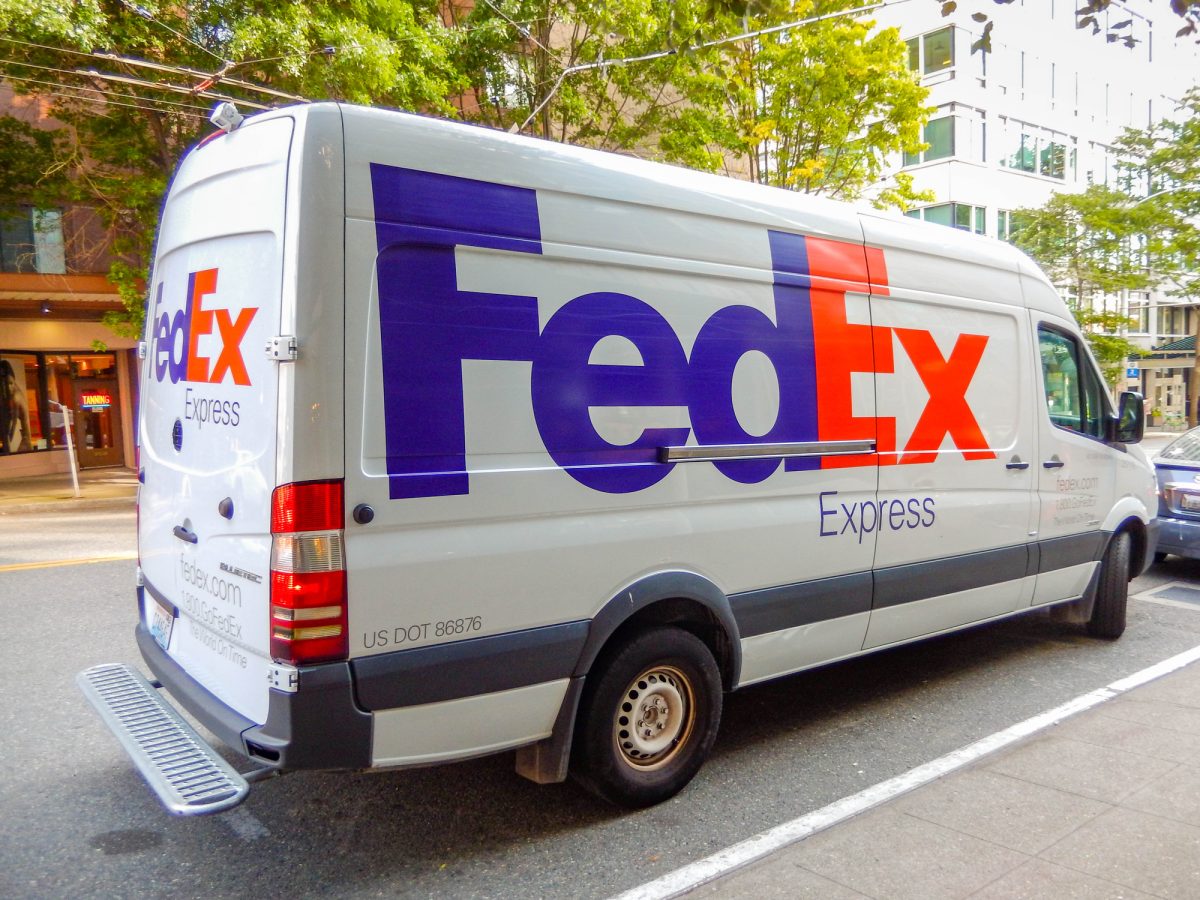
Buying a FedEx route can be a great opportunity to acquire an established business with existing customers, employees, and operating history. However, purchasing a FedEx route business can demand significant funding. SBA loans for FedEx routes are a common financing option because they offer longer repayment terms and lower down payment requirements.
As part of the SBA loan application process, lenders review business performance and the buyer’s ability to repay the loan. Lenders assess factors such as financial performance, purchase price, cash flow, and the strength of the transaction. This is why a business valuation for an SBA loan is so essential.
In this article, we discuss how SBA loans for FedEx routes work. We also highlight what lenders consider during the approval process and how a business valuation can support a route acquisition.
Peak Business Valuation is a trusted business appraiser in the United States. Our valuations provide an independent estimate of fair market value to assist buyers, lenders, and advisors during the transaction process. If you have questions about obtaining an SBA valuation, schedule a free consultation below.
How SBA Loans for FedEx Routes Work
SBA loans for FedEx routes are often used by buyers who need financing to buy an existing route business. The loan proceeds may be used for business acquisition, working capital, and other approved transaction expenses.
However, the Small Business Administration (SBA) does not provide loans directly to business owners. Instead, SBA-approved lenders provide financing while following SBA lending requirements. The lender reviews the buyer’s qualifications, the business financials, and the proposed transaction before deciding whether the loan meets its requirements.
When reviewing a FedEx route acquisition, lenders typically focus on the company’s ability to generate enough cash flow. They also review the purchase price to see if the proposed value is supported by the business’s financial performance.
What Lenders Review When Financing a FedEx Route
Lenders review several areas when evaluating a FedEx route acquisition. The goal is to understand the business, the risks involved, and whether the company can support the proposed debt. Financial performance is one of the most important areas reviewed by lenders.
Below are the common factors lenders review when financing a FedEx route:
- Historical revenue
- Operating expenses
- Profitability
- Cash flow
- Buyer’s experience and financial position
- Purchase agreement
- Transaction structure
- Business valuation
These items help determine whether the price is reasonable based on the company’s operations and financial results.
Peak Business Valuation provides SBA business valuations for FedEx routes and other privately held businesses. We are happy to assist buyers, sellers, and lenders by providing an independent analysis of business value. To learn more about valuing a FedEx route, schedule a free consultation below!
Valuing a FedEx Route
For SBA financing, a FedEx valuation helps determine whether the business’s financial performance and operations support the proposed purchase price of a FedEx route. A business valuation for a FedEx route considers the company’s financial performance, operations, assets, and risks. Each route business is different, so the valuation process depends on the company’s specific facts. Business appraisers may also adjust the financial statements to reflect the expected earnings of a new owner. These adjustments help determine the company’s normalized cash flow, which is often used when estimating value.
The relationship with FedEx is also an important part of the valuation. When considering factors that can affect future operations, valuation experts often focus on route agreements and operating requirements. Buyers should understand the terms of the agreement and any requirements related to transferring ownership.
To learn more, see Valuing a FedEx Route.
Key Factors That Affect FedEx Route Value
Next, several factors can affect the value of a FedEx route. These factors are also known as key value drivers. Buyers and lenders often consider the following drivers when reviewing an acquisition.
Cash Flow and Profitability
A FedEx route with stable revenue and consistent profitability can have a stronger value. This is especially the case in comparison to a business with unpredictable earnings.
Employees and Operations
FedEx routes often depend on drivers and employees to complete daily deliveries. A business with experienced employees and established procedures may have a smoother transition after ownership changes. Moreover, owner involvement can also affect value. If the owner performs many daily operating tasks, the buyer may need to replace those responsibilities after the transaction.
Vehicles and Equipment
Vehicles are an important asset of many FedEx route businesses. The condition, age, and ownership of vehicles can affect both the value of the business and future operating costs. Older vehicles often need more repairs or replacement in the future. As such, buyers should understand the condition of the equipment included in the transaction.
Route Agreement
The value of a FedEx route depends partly on the ability to continue operating under the applicable agreements. Changes to the relationship, operating requirements, or other business conditions may affect future earnings.
To read more about this topic, see Value Drivers for a FedEx Route.
Understanding the factors that affect FedEx route value can help you make more informed decisions. At Peak Business Valuation, our valuation professionals provide credible business valuations for SBA loans. Schedule a free consultation with Peak Business Valuation to get started with a FedEx route valuation.
Preparing for SBA Financing for a FedEx Route
Buyers preparing for SBA financing should gather information about the business and the transaction. Having complete and accurate operating information can help lenders better assess the acquisition.
Common documents reviewed during the process include:
- Historical financial statements and tax returns
- Route agreements and operating documents
- Employee information and payroll records
- Vehicle and equipment details
- Purchase agreement information
A successful SBA financing process depends on more than the purchase agreement and financial statements. Buyers who understand what lenders review can better prepare for questions or inquiries. Additionally, organizing these materials early helps the transaction team analyze the business with a clearer understanding of it.
Read more in How to Value a FedEx Route.
Conclusion
SBA loans for FedEx routes require lenders to assess whether the business can support the proposed financing. As part of this assessment, many SBA lenders request a business valuation. A business valuation provides an independent estimate of fair market value. It also helps lenders and buyers understand the relationship between the price and its financial performance.
Peak Business Valuation provides independent SBA business valuations for FedEx routes. Whether you are buying a route, selling a business, or working with an SBA lender, our team can help answer questions about the process of valuing a FedEx route. Schedule your free consultation with Peak Business Valuation below.